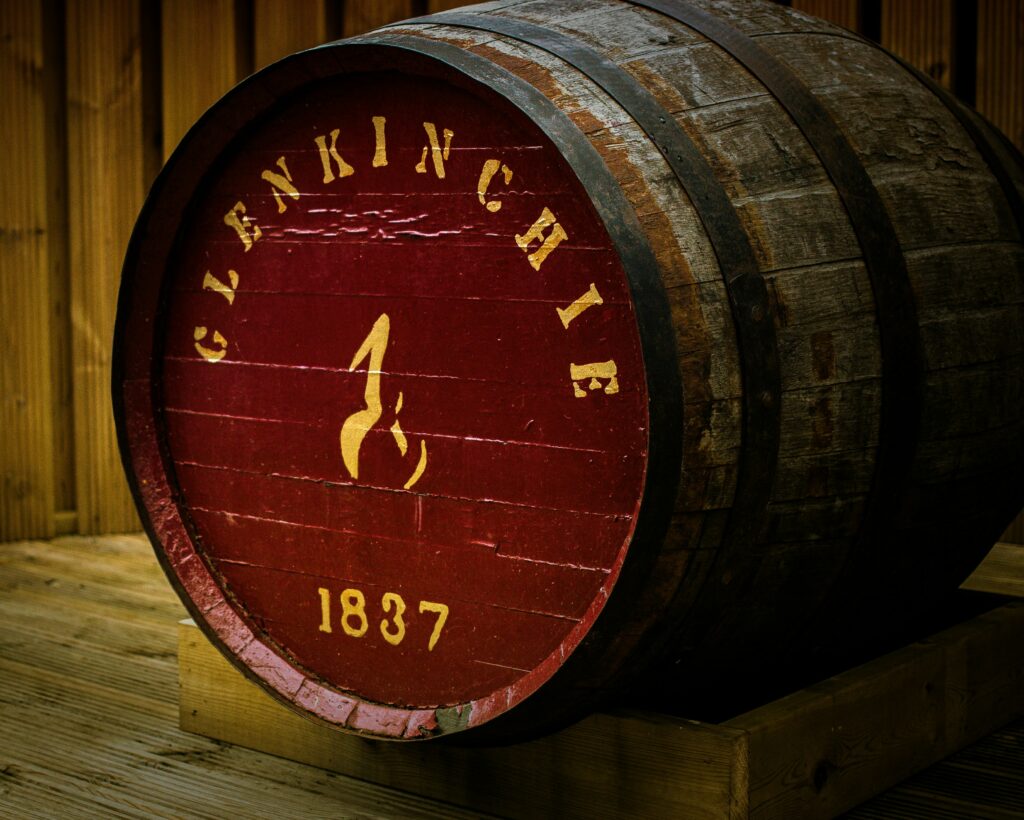
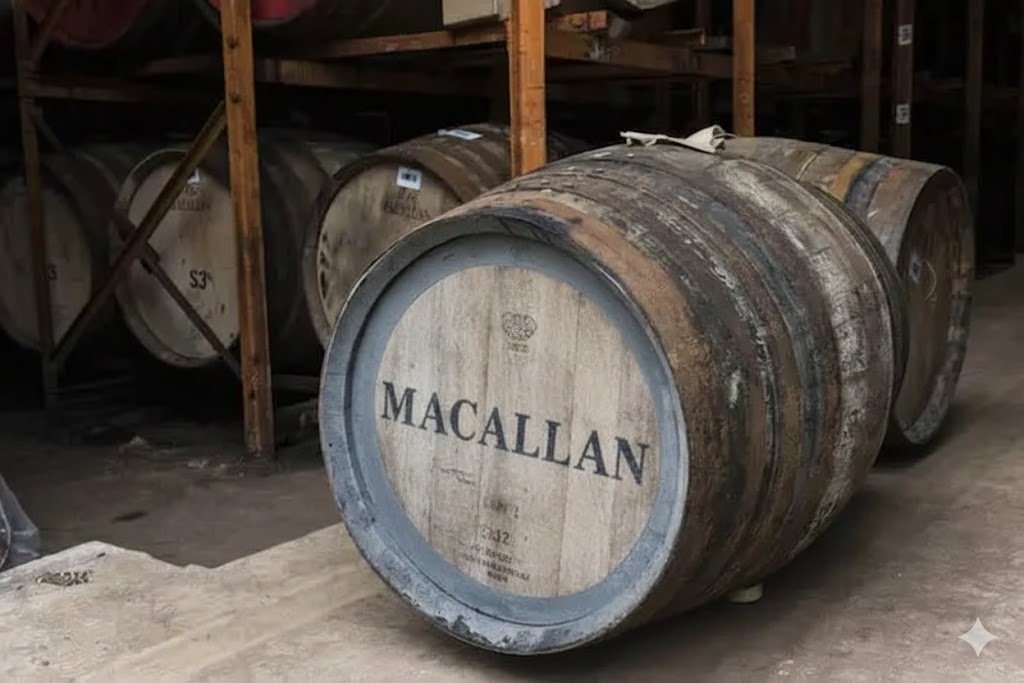
The Macallan Cask
Whisky Cask Ownership. For serious collectors and alternative asset investors, few names carry the same weight as The Macallan. In the world of whisky, its casks have become the modern-day equivalent of fine art — appreciating over decades, driven by rarity, reputation, and the global demand for craftsmanship in liquid form.
In 2024, a 33-year-old Macallan hogshead sold in Hong Kong for over $780,000 USD, continuing a relentless upward trend that began more than a decade ago. But why are Macallan casks still climbing in value well into 2026? And more importantly, is there still room for smart investors to enter this market?
The Evolving Whisky Economy
Decades ago, distilleries released casks to fund operations; today, they guard their stock like crown jewels. The Macallan stopped selling casks privately in the late 1990s, and most other elite producers — Dalmore, Laphroaig, and Glenfiddich among them — soon followed suit. That decision reshaped the market entirely. The few remaining privately held casks from these legendary houses are now considered finite, investable assets.
With each bottling, the number of mature Macallan casks in private hands decreases. Scarcity logistics alone guarantee price appreciation — a simple function of diminishing supply against surging global demand.
What Drives the Value of a Whisky Cask?
In 2026, these are the factors shaping value more than ever:
-
Age and Maturation Curve. Whisky value compounds with time in the cask. Industry data still supports the “five-year doubling” rule: a cask’s value roughly doubles every five years of maturation, with steeper gains beyond 15 years.
-
Distillery Prestige. Age matters, but reputation matters more. A 15-year-old from The Macallan often outperforms a 25-year-old from a lesser-known house. Brand equity translates directly into pricing power.
-
Cask Type and Provenance. Sherry-seasoned European oak, especially from Jerez cooperages, remains the gold standard. Casks that shape the house style — rich, oily, and complex — are now harder to procure due to limited Spanish oak sourcing.
-
Scarcity and Supply Dynamics. With around 145 active Scotch distilleries and fewer than 10% offering any private cask sales, the supply side is structurally constrained.
-
Investor Demand. Ultra-high-net-worth collectors and family offices increasingly view whisky as a stable alternative to real estate and gold, with annualised returns between 12–15% over the past decade.
The Brand Imperative: Macallan as a Market Maker
No distillery has mastered brand storytelling like The Macallan. Owned by Edrington, the label blends heritage with innovation — from its £140 million architectural distillery in Speyside to modern digital ownership models for collectors. The name “Macallan” today signals both connoisseurship and asset security, underpinned by consistent auction results and global prestige.
In essence, investors aren’t just buying whisky — they’re buying access to one of Scotland’s strongest luxury narratives.
How Investors Are Accessing Rare Casks in 2026
While distilleries have tightened direct sales, the secondary cask market has matured dramatically. Platforms and brokers specialising in authenticated private resales now use transparent valuation indexes backed by market data, online registries, and even tokenized ownership for portfolio tracking.
Sophisticated investors often acquire casks through bespoke brokers with access to verified provenance — a necessity in a space where authenticity and storage conditions dictate long-term value.
Buying a Macallan cask in 2026 remains rare but not impossible. The few that come to market are typically sourced from private collections, often through closed-network transactions or curated releases.
For investors exploring whisky as an asset class, rare casks — particularly from elite names like The Macallan — remain one of the most scarcity-driven luxury investments available today. But as with any alternative asset, due diligence, proper storage, and long-term patience are essential to realizing their liquid potential.
.
.
.
.
.
As a premium whisky collector, mastering cask types, age progression, and regional origins empowers smarter whisky cask investment decisions, blending portfolio growth with tasting pleasure.
Ready to explore Scotch cask investment or whisky investment Toronto options? Contact a licensed broker for personalized cask ownership guidance tailored to your goals.
Disclaimer: ** Whisky cask investments carry significant risks, including market volatility, storage costs, illiquidity, and potential loss of capital. Past performance does not guarantee future returns. This content is for informational and educational purposes only and does not constitute financial, investment, or legal advice. Always consult qualified professionals to assess suitability for your individual circumstances. Regal Cask Management is not a registered investment advisor.