Whisky Essential

whisky cask investment, whisky investment Toronto, cask ownership, Scotch cask investment, whisky cask Toronto

The Rise of the Single Malt in China

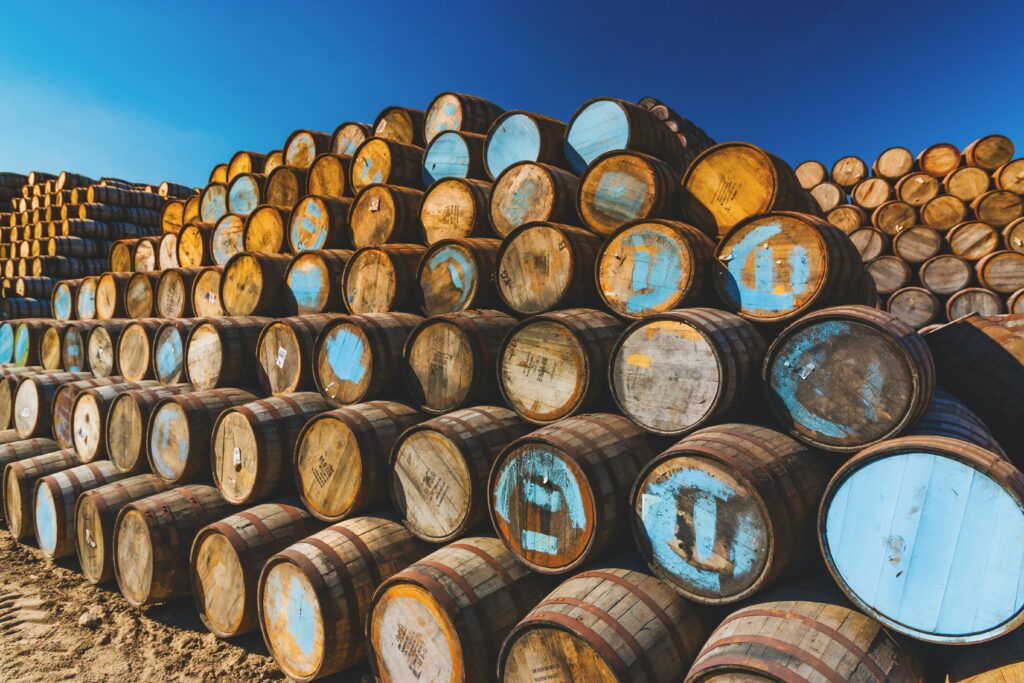
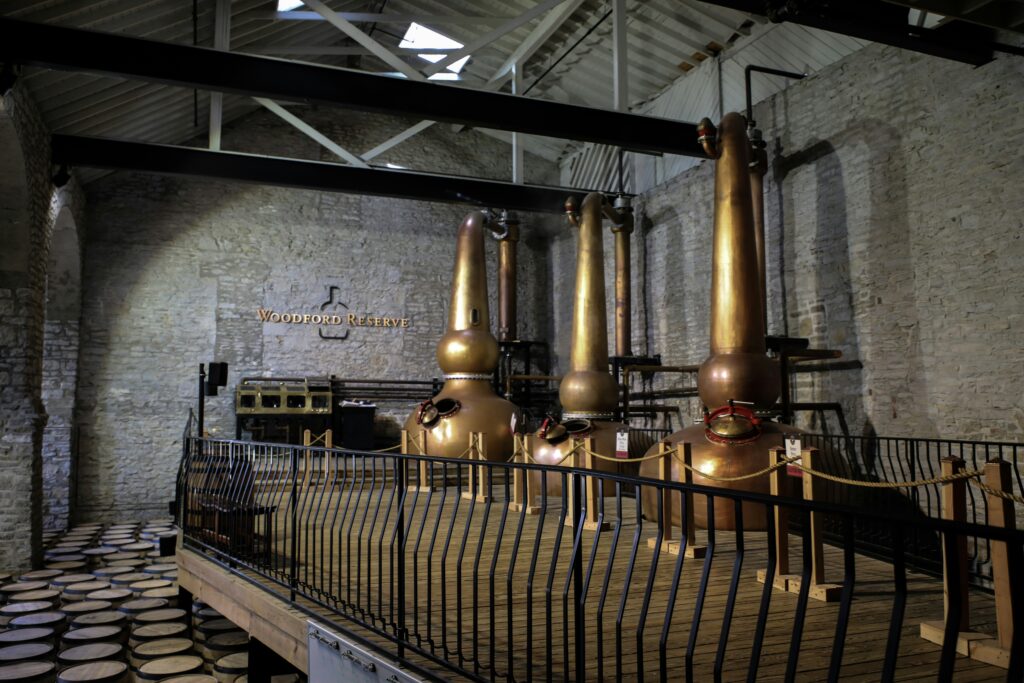
Whisky cask investment offers premium collectors a tangible asset that matures over time, blending financial appreciation with sensory enjoyment. In the whisky investment Toronto scenes, cask ownership stands out for its accessibility through bonded warehouses, while Scotch cask investment and whisky cask Toronto opportunities emphasize direct ownership of maturing spirit from Scotland’s finest distilleries. Production Essentials for Investors Malted barley sprouting, peated kiln drying, mashing, and double distillation yield 70% ABV “new make” ready for casking. Collectors inspect for provenance, favoring distilleries outsourcing malting for efficiency while retaining pagoda aesthetics. Fermentation produces 7% ABV wash; copper pot stills are twice-distilled for flavor depth. In whisky investment Toronto, understanding this ensures picks from established producers like Diageo facilities.​ Maturation Mastery Oak cask maturation extracts tannins, colors, and previous spirits’ essences—bourbon for lightness, sherry for sweetness. Dunnage warehouses optimize via stable humidity; racked modern sites aid forklift access for sampling.​ Finishing in fresh casks polishes profiles; the angels’ share darkens and concentrates over the years. For cask ownership, bonded storage defers duties, key for Toronto investors eyeing 8-15% growth. Blending and Bottling Strategies Vatting marries casks for uniformity; single malts are limited to one distillery. Chill-filtration and caramel ensure clarity/color, though purists prefer cask-strength unfiltered bottlings. Collectors often sell pre-bottling for liquidity or bottle single cask exclusives. Dilution to 40-50% ABV standardizes; ownership allows custom choices post-maturity. Investment Business Landscape 90% Scotch sells as blends from conglomerates like Diageo/Pernod Ricard owning distilleries. Independents and ~100 malt sites fuel cask markets; Toronto whisky cask access via brokers avoids full ownership hassles.​ Fantasy labels hide origins; track records show maturing casks outperforming bottles long-term. Diversification via platforms yields 15% annualized post-costs. Flavor Profiles for Collectors Peated Islay shocks with smoke; fruity Speyside/Glenlivet delights; sherry-heavy Macallan bombes richness. Regions hint styles, but cask trumps—test via samples.​ Blends mellow grain roughness; age refines. Premium palates guide cask picks for resale appeal. Optimal Enjoyment Methods Tulip glasses at room temp reveal aromas; sips coat palate. Water “opens” flavors; evolution post-pour normal. For whisky cask investment holders, maturation previews enhance ownership joy. . . . . . As a premium whisky collector, mastering cask types, age progression, and regional origins empowers smarter whisky cask investment decisions, blending portfolio growth with tasting pleasure. Ready to explore Scotch cask investment or whisky investment Toronto options? Contact a licensed broker for personalized cask ownership guidance tailored to your goals. Disclaimer: ** Whisky cask investments carry significant risks, including market volatility, storage costs, illiquidity, and potential loss of capital. Past performance does not guarantee future returns. This content is for informational and educational purposes only and does not constitute financial, investment, or legal advice. Always consult qualified professionals to assess suitability for your individual circumstances. Regal Cask Management is not a registered investment advisor.

The Rise of the Single Malt in China Read More »
The 2026 Whisky Cask Market Outlook

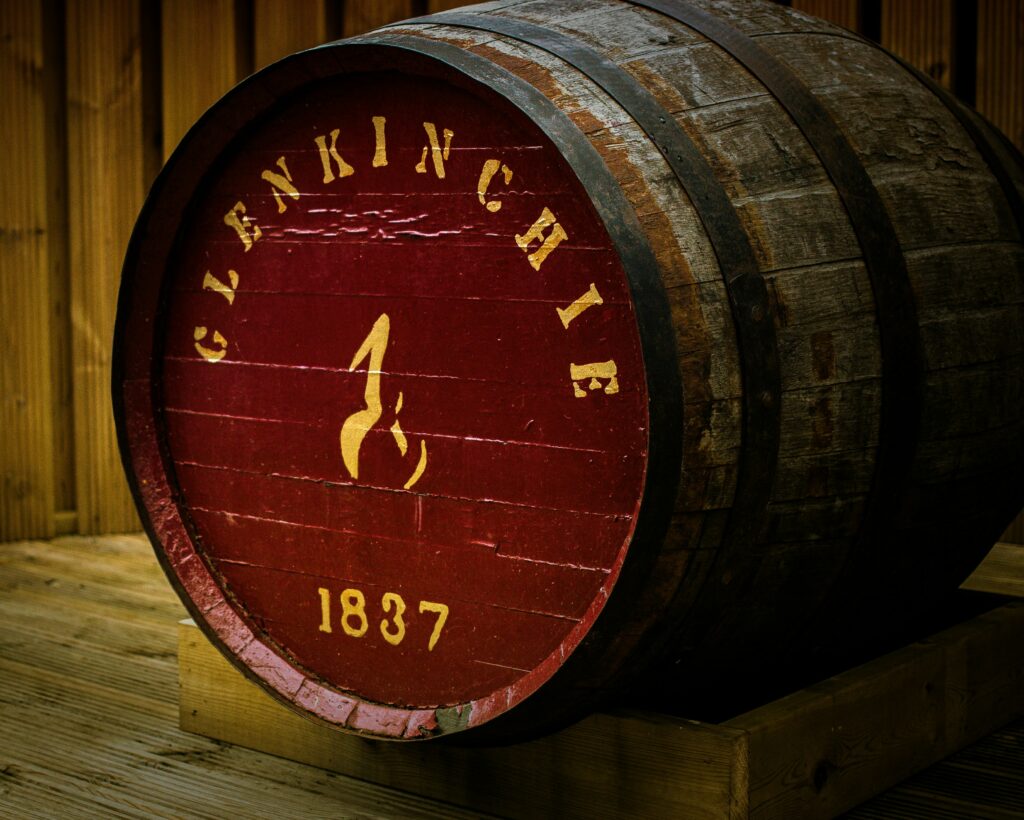
The 2026 Whisky Cask Market Outlook Surging demand meets limited supply – secure your portfolio now. The global whisky cask market has matured into a serious alternative asset class, and 2026 marks a defining moment. Over the last decade, whisky cask investments have evolved from a niche collector pursuit to a structured, data-backed category sought after by investors looking for both diversification and tangible value. Despite ongoing geopolitical fluctuations, a cooling property market, and uneven equity performance, whisky casks have continued to demonstrate remarkable resilience. According to the 2026 Whisky Cask Market Insights Report, the sector has sustained an average annualized growth rate of 11–14% across major distilleries—outpacing traditional assets like gold, fine wine, and even blue-chip equities over comparable periods. With global whisky demand projected to hit $116 billion by 2033 at a 5–7% CAGR, casks offer tangible growth driven by maturation, scarcity, and rising premium consumption in Asia and North America. Consistent Growth, Strengthened by Supply Constraints The demand for aged Scotch remains at historic highs, while supply of new-make spirit and long-aged stock continues to tighten due to global distillery expansion limits and production caps. This imbalance has created a robust supply-demand engine underpinning sustained value appreciation. Since 2021, the appreciation curve for single malt casks has flattened slightly from pandemic-era peaks, but stabilized at a healthy upward trend. The market saw record auction activity in 2025, driven by private bottlers and emerging whisky brands purchasing maturing casks to meet future demand. Moreover, investors have begun to favor age diversification strategies – building balanced portfolios with younger casks offering faster percentage growth potential, complemented by older stocks that serve as high-value capstones. Top-Performing Distilleries in 2026 According to platforms tracking secondary cask transactions through 2025, the most sought-after distilleries for capital appreciation include: Macallan – continues its reign as the benchmark luxury malt, with branded bottling values driving cask premiums, expecting a 16–20% growth this year. Bunnahabhain and Laphroaig – both delivered average projected returns of 17–18% annually, buoyed by Islay’s prestige and scarcity. Highland Park and Caol Ila – remain consistent top performers by trade volume, accounting together for over 35% of retail investor interest. Ben Nevis and GlenAllachie – rising stars, fueled by independent bottling activity and brand revival stories. Interestingly, grain whisky casks, once overlooked, are now gaining traction among private investors and independent bottlers seeking accessible entry points with strong yield potential. The Modern Investor’s Cask Strategy Several key insights define successful whisky cask investment strategies in 2026: Sherry casks still command premium valuations due to rarity and maturation complexity. Ex-Bourbon casks offer sustainable, lower-risk entries and solid liquidity in resale markets. Younger casks (2–5 years old) often generate the most dynamic percentage growth, ideal for investors entering the market. Aged rarities (20+ years) provide unparalleled heritage and wealth preservation appeal to high-net-worth collectors. New technologies, including digital asset management and tokenization platforms, have begun to transform how investors monitor and trade their cask portfolios. Provenance tracking, liquidation timing, and even fractional ownership models have entered the mainstream, enhancing both transparency and liquidity. Looking Ahead: The Next Decade of Value The consensus among analysts remains optimistic. With demand for premium single malts projected to grow by 6–8% annually through 2030, and limited distillery production windows, whisky casks continue to present investors with a compelling hedge against inflation and market uncertainty. As traditional markets recalibrate, tangible assets like whisky casks embody what many investors now seek: a physical, appreciating, and experience-driven form of wealth preservation. In the words of one industry report, “The smart money isn’t just drinking whisky—it’s aging it.” . . . . As a premium whisky collector, mastering cask types, age progression, and regional origins empowers smarter whisky cask investment decisions, blending portfolio growth with tasting pleasure. Ready to explore Scotch cask investment or whisky investment Toronto options? Contact a licensed broker for personalized cask ownership guidance tailored to your goals. Disclaimer: ** Whisky cask investments carry significant risks, including market volatility, storage costs, illiquidity, and potential loss of capital. Past performance does not guarantee future returns. This content is for informational and educational purposes only and does not constitute financial, investment, or legal advice. Always consult qualified professionals to assess suitability for your individual circumstances. Regal Cask Management is not a registered investment advisor.

The 2026 Whisky Cask Market Outlook Read More »

Rare whisky cask ownership opportunity, showcasing premium oak barrels as a high-yield alternative asset for sophisticated investors.

Why the Whisky Industry Needs Investors More Than Ever in 2026

Cask Ownership| Why the Whisky Industry Needs Investors More Than Ever in 2026 Whisky has always been a drink of patience, craft, and long-term vision — and so too is investing in it. As we step into 2026, the whisky sector is thriving globally, with private capital, independent bottlers, and whisky investment funds driving fresh energy into an ancient craft. While distilleries still have every incentive to age and release their own spirit, investors play a vital role in keeping the industry balanced, innovative, and well-financed. Here are three key reasons why whisky investment continues to be a critical driver of the industry’s growth and resilience. 1. Fuel Global Visibility and Market Reach In 2026, international demand for premium and collectible whisky has never been stronger. Yet many distilleries — especially new or lesser-known ones — remain hidden behind the brands of major spirit conglomerates. Investors help change that by purchasing casks that later reach the market through independent bottlers or private releases, giving smaller distilleries global visibility they could never achieve alone. When enthusiasts discover an exceptional cask through an independent bottling, it often sparks new interest in the distillery’s name, reputation, and core expressions. This increased exposure benefits everyone in the value chain — from the distiller to the distributor to the whisky fan eager for something authentic and rare. 2. Strengthen Brand Equity and Legacy Whisky consumers are increasingly discerning. They crave origin stories, authenticity, and quality — and investor-backed cask releases are helping distilleries tell those stories. By collaborating with cask investors and independent bottlers, distilleries build brand equity faster than through traditional marketing and slow rollout of official bottlings. This model has proven particularly effective for emerging craft distilleries. An early wave of independent bottlings can build excitement ahead of official releases, cultivating a loyal fan base that accelerates long-term success. In short, strategic partnerships with investors create brand value today while laying down the roots for tomorrow’s legacy labels. 3. Enhance Cash Flow and Financial Sustainability Even in 2026, cash flow remains the whisky maker’s biggest challenge. Producing spirit is one thing; waiting 10, 15, or 25 years to sell it is another. Distilleries face substantial upfront costs for raw materials, warehousing, and compliance, all before a single bottle reaches the shelf. By offering new-make casks to investors, distilleries unlock immediate liquidity — funding operations, expansion, and sometimes sustainability initiatives like carbon-reduced distillation or renewable energy conversion. This infusion of working capital allows distilleries to focus on quality and growth without the burden of waiting years for revenue. A Symbiotic Relationship Whisky investment in 2026 isn’t just about financial return — it’s about partnership. Investors enable distilleries to innovate, expand, and reach new markets; distilleries, in turn, offer investors access to a tangible, appreciating asset with cultural heritage and sensory depth. As both the investment and whisky worlds continue to blend, the smart money — and the passionate heart — recognize that their goals are one and the same: to nurture timeless spirits that appreciate in both value and character. . . . . . As a premium whisky collector, mastering cask types, age progression, and regional origins empowers smarter whisky cask investment decisions, blending portfolio growth with tasting pleasure. Ready to explore Scotch cask investment or whisky investment Toronto options? Contact a licensed broker for personalized cask ownership guidance tailored to your goals. Disclaimer: ** Whisky cask investments carry significant risks, including market volatility, storage costs, illiquidity, and potential loss of capital. Past performance does not guarantee future returns. This content is for informational and educational purposes only and does not constitute financial, investment, or legal advice. Always consult qualified professionals to assess suitability for your individual circumstances. Regal Cask Management is not a registered investment advisor.

Why the Whisky Industry Needs Investors More Than Ever in 2026 Read More »

The Macallan Highland Single Malt Scotch Whisky

Why Are Macallan Casks So Expensive? (And How Can I Buy One)?

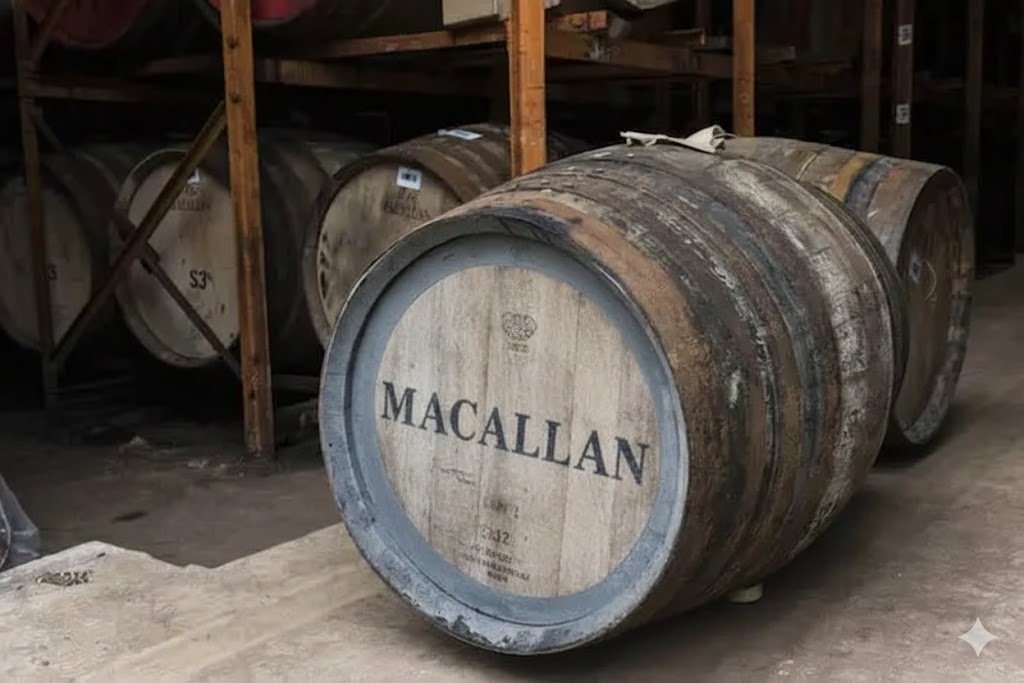
The Macallan Cask Whisky Cask Ownership. For serious collectors and alternative asset investors, few names carry the same weight as The Macallan. In the world of whisky, its casks have become the modern-day equivalent of fine art — appreciating over decades, driven by rarity, reputation, and the global demand for craftsmanship in liquid form. In 2024, a 33-year-old Macallan hogshead sold in Hong Kong for over $780,000 USD, continuing a relentless upward trend that began more than a decade ago. But why are Macallan casks still climbing in value well into 2026? And more importantly, is there still room for smart investors to enter this market? The Evolving Whisky Economy Decades ago, distilleries released casks to fund operations; today, they guard their stock like crown jewels. The Macallan stopped selling casks privately in the late 1990s, and most other elite producers — Dalmore, Laphroaig, and Glenfiddich among them — soon followed suit. That decision reshaped the market entirely. The few remaining privately held casks from these legendary houses are now considered finite, investable assets. With each bottling, the number of mature Macallan casks in private hands decreases. Scarcity logistics alone guarantee price appreciation — a simple function of diminishing supply against surging global demand. What Drives the Value of a Whisky Cask? In 2026, these are the factors shaping value more than ever: Age and Maturation Curve. Whisky value compounds with time in the cask. Industry data still supports the “five-year doubling” rule: a cask’s value roughly doubles every five years of maturation, with steeper gains beyond 15 years. Distillery Prestige. Age matters, but reputation matters more. A 15-year-old from The Macallan often outperforms a 25-year-old from a lesser-known house. Brand equity translates directly into pricing power. Cask Type and Provenance. Sherry-seasoned European oak, especially from Jerez cooperages, remains the gold standard. Casks that shape the house style — rich, oily, and complex — are now harder to procure due to limited Spanish oak sourcing. Scarcity and Supply Dynamics. With around 145 active Scotch distilleries and fewer than 10% offering any private cask sales, the supply side is structurally constrained. Investor Demand. Ultra-high-net-worth collectors and family offices increasingly view whisky as a stable alternative to real estate and gold, with annualised returns between 12–15% over the past decade. The Brand Imperative: Macallan as a Market Maker No distillery has mastered brand storytelling like The Macallan. Owned by Edrington, the label blends heritage with innovation — from its £140 million architectural distillery in Speyside to modern digital ownership models for collectors. The name “Macallan” today signals both connoisseurship and asset security, underpinned by consistent auction results and global prestige. In essence, investors aren’t just buying whisky — they’re buying access to one of Scotland’s strongest luxury narratives. How Investors Are Accessing Rare Casks in 2026 While distilleries have tightened direct sales, the secondary cask market has matured dramatically. Platforms and brokers specialising in authenticated private resales now use transparent valuation indexes backed by market data, online registries, and even tokenized ownership for portfolio tracking. Sophisticated investors often acquire casks through bespoke brokers with access to verified provenance — a necessity in a space where authenticity and storage conditions dictate long-term value. Buying a Macallan cask in 2026 remains rare but not impossible. The few that come to market are typically sourced from private collections, often through closed-network transactions or curated releases.   For investors exploring whisky as an asset class, rare casks — particularly from elite names like The Macallan — remain one of the most scarcity-driven luxury investments available today. But as with any alternative asset, due diligence, proper storage, and long-term patience are essential to realizing their liquid potential. . . . . . As a premium whisky collector, mastering cask types, age progression, and regional origins empowers smarter whisky cask investment decisions, blending portfolio growth with tasting pleasure. Ready to explore Scotch cask investment or whisky investment Toronto options? Contact a licensed broker for personalized cask ownership guidance tailored to your goals. Disclaimer: ** Whisky cask investments carry significant risks, including market volatility, storage costs, illiquidity, and potential loss of capital. Past performance does not guarantee future returns. This content is for informational and educational purposes only and does not constitute financial, investment, or legal advice. Always consult qualified professionals to assess suitability for your individual circumstances. Regal Cask Management is not a registered investment advisor.

Why Are Macallan Casks So Expensive? (And How Can I Buy One)? Read More »

Whisky Casks: The Smart Investor’s Secret Weapon in 2026’s Volatile World

Whisky Casks: The Smart Investor’s Secret Weapon in 2026’s Volatile World Picture this: It’s early 2026. Global markets jitter from inflation spikes and policy shifts under the new U.S. administration. Stocks plunge 15% in a quarter, bonds yield peanuts. But you? You’re sipping a rare Ardbeg dram, watching your whisky cask portfolio climb 12% year-over-year. That’s the edge of alternative investments — especially whisky casks. In a year when traditional assets falter, these liquid gold barrels deliver uncorrelated returns, tangibility, and pure enjoyment. Welcome to the modern investor’s playbook. From Wall Street Wobbles to Cask Strength Stability Remember 2022’s crypto crash or 2024’s bond rout? 2026 echoes those shocks, but with AI hype inflating tech bubbles and energy transitions straining commodities. Savvy players like you — Porsche enthusiasts, Macallan collectors — pivot to alternatives.​ Whisky casks lead the pack. Averaging 12-15% annual returns over 15 years, they outpace stocks amid volatility. Fine wines follow at 7-10%, collectible cars at 8-10% — all uncorrelated to S&P swings. Why? Rarity, maturation magic (that “angel’s share” evaporation), and booming demand from Asia and the U.S. Your Cask Journey: Buy, Mature, Cash In Meet Alex, a Toronto VC much like you. Tired of market whiplash, he drops £4,000 on a new-make Glenmorangie cask in 2025. By 2026, bonded in an HMRC-approved warehouse, it’s appreciating at 11% net after £80/year storage.​ Entry: Low barrier via fractional platforms — own shares without full cask commitment.​ Hold: 5-10 years for peak returns; visit your distillery for tastings. Exit: Sell to bottlers (quick liquidity) or auction for 20%+ on premiums.​ No stock ticker stress. Just whisky maturing like your wealth. 2026 Trends: Tokenization Meets Tradition This year, blockchain tokenizes casks for fractional ownership — liquidity without losing control. Japanese whiskies and sustainable barrels surge, while ESG regs boost transparency. Risks? Illiquidity and scams — stick to WOWGR-licensed brokers like Regal Cask. Compare top alternatives: Asset Avg. 2026 Return Liquidity Regal Club Perk Whisky Casks 12-15% Medium (5-10 yrs) Cask tastings & storage Fine Wine ​ 7-10% High Pairing dinners Collectible Cars ​ 8-10% Low PCC track days Private Equity ​ 10-12% Low CAPRiser intros Join the Regal Revolution Alternatives aren’t fringe anymore — they’re your 2026 fortress. At Regal Cask, we’re scaling events for PCC and Regal Club members: exclusive cask auctions, Porsche-whisky drives, Macallan masterclasses. Download our 2026 Whisky Investment Guide for the 5 top casks poised for 20%+ gains. Or message us to secure your fractional Ardbeg share today — because smart money matures in oak, not algorithms. What’s your first cask play? . . . . . As a premium whisky collector, mastering cask types, age progression, and regional origins empowers smarter whisky cask investment decisions, blending portfolio growth with tasting pleasure. Ready to explore Scotch cask investment or whisky investment Toronto options? Contact a licensed broker for personalized cask ownership guidance tailored to your goals. Disclaimer: ** Whisky cask investments carry significant risks, including market volatility, storage costs, illiquidity, and potential loss of capital. Past performance does not guarantee future returns. This content is for informational and educational purposes only and does not constitute financial, investment, or legal advice. Always consult qualified professionals to assess suitability for your individual circumstances. Regal Cask Management is not a registered investment advisor.

Whisky Casks: The Smart Investor’s Secret Weapon in 2026’s Volatile World Read More »

whisky cask investment, whisky investment Toronto, cask ownership, Scotch cask investment, whisky cask Toronto

Whisky Essentials for Collectors: Types, Age, and Origins – Part Two

Whisky cask ownership offers premium collectors a tangible asset that matures over time, blending financial appreciation with sensory enjoyment. In the whisky investment Toronto scenes, cask ownership stands out for its accessibility through bonded warehouses, while Scotch cask investment and whisky cask Toronto opportunities emphasize direct ownership of maturing spirit from Scotland’s finest distilleries. Production Essentials for Investors Malted barley sprouting, peated kiln drying, mashing, and double distillation yield 70% ABV “new make” ready for casking. Collectors inspect for provenance, favoring distilleries outsourcing malting for efficiency while retaining pagoda aesthetics. Fermentation produces 7% ABV wash; copper pot stills are twice-distilled for flavor depth. In whisky investment Toronto, understanding this ensures picks from established producers like Diageo facilities.​ Maturation Mastery Oak cask maturation extracts tannins, colors, and previous spirits’ essences—bourbon for lightness, sherry for sweetness. Dunnage warehouses optimize via stable humidity; racked modern sites aid forklift access for sampling.​ Finishing in fresh casks polishes profiles; the angels’ share darkens and concentrates over the years. For cask ownership, bonded storage defers duties, key for Toronto investors eyeing 8-15% growth. Blending and Bottling Strategies Vatting marries casks for uniformity; single malts are limited to one distillery. Chill-filtration and caramel ensure clarity/color, though purists prefer cask-strength unfiltered bottlings. Collectors often sell pre-bottling for liquidity or bottle single cask exclusives. Dilution to 40-50% ABV standardizes; ownership allows custom choices post-maturity. Investment Business Landscape 90% Scotch sells as blends from conglomerates like Diageo/Pernod Ricard owning distilleries. Independents and ~100 malt sites fuel cask markets; Toronto whisky cask access via brokers avoids full ownership hassles.​ Fantasy labels hide origins; track records show maturing casks outperforming bottles long-term. Diversification via platforms yields 15% annualized post-costs. Flavor Profiles for Collectors Peated Islay shocks with smoke; fruity Speyside/Glenlivet delights; sherry-heavy Macallan bombes richness. Regions hint styles, but cask trumps—test via samples.​ Blends mellow grain roughness; age refines. Premium palates guide cask picks for resale appeal. Optimal Enjoyment Methods Tulip glasses at room temp reveal aromas; sips coat palate. Water “opens” flavors; evolution post-pour normal. For whisky cask investment holders, maturation previews enhance ownership joy. . . . . . As a premium whisky collector, mastering cask types, age progression, and regional origins empowers smarter whisky cask investment decisions, blending portfolio growth with tasting pleasure. Ready to explore Scotch cask investment or whisky investment Toronto options? Contact a licensed broker for personalized cask ownership guidance tailored to your goals. Disclaimer: ** Whisky cask investments carry significant risks, including market volatility, storage costs, illiquidity, and potential loss of capital. Past performance does not guarantee future returns. This content is for informational and educational purposes only and does not constitute financial, investment, or legal advice. Always consult qualified professionals to assess suitability for your individual circumstances. Regal Cask Management is not a registered investment advisor.

Whisky Essentials for Collectors: Types, Age, and Origins – Part Two Read More »

whisky cask investment, whisky investment Toronto, cask ownership, Scotch cask investment, whisky cask Toronto

Whisky Essentials for Collectors: Types, Age, and Origins – Part One

Whisky cask ownership offers premium collectors a tangible asset that matures over time, blending financial appreciation with sensory enjoyment. In the whisky ownership scenes, cask ownership stands out for its accessibility through bonded warehouses, while Scotch cask ownership and whisky cask opportunities emphasize direct ownership of maturing spirit from Scotland’s finest distilleries. Cask Types Premium collectors prioritize cask types for their impact on flavor development and value growth in whisky cask ownership. Bourbon barrels, often American oak hogsheads holding 225-250 liters, impart vanilla and caramel notes, making them reliable for broad market appeal and steady 8-15% annual returns over 5-10 years. Sherry butts (475-500 liters) from Spanish oak deliver rich fruit and nut profiles, boosting rarity premiums especially in Speyside malts like Macallan styles. Smaller quarter casks (125 liters) or octaves accelerate maturation, ideal for collectors seeking quicker flavor intensity and higher resale potential in Scotch cask ownership. Port or Madeira casks add luxurious sweetness, commanding premiums for full-bodied expressions that attract niche buyers. For cask ownership, selecting hogsheads or butts balances cost—new-make at $3,000-$5,000 CAD—with long-term upside, as evaporation concentrates the spirit. Understanding Whisky’s Age Age drives value in whisky ownership, where collectors track maturation from new-make spirit to premium 10-20+ year casks. Scotch law mandates at least three years in oak for “whisky,” but collector-grade casks shine at 8-15 years, when flavors peak and auction prices surge due to rarity. No age statement on labels means undisclosed younger components over three years, but single cask ownership reveals exact fill dates via delivery orders. Premium collectors favor mid-age growth casks (5-10 years, $6,000-$15,000) for 11% annualized returns, as angels’ share (1-2% annual evaporation) enhances concentration without over-loss. Older casks (10+ years) offer scarcity premiums but higher storage fees ($70-100/year); Toronto collectors benefit from local brokers handling HMRC compliance. Age statements like 12-year ensure baseline maturity, correlating with 15%+ trade buyback rates. Whisky’s Origins and Regions Scotland’s regions shape cask provenance, guiding Scotch cask ownership choices for collectors. Speyside, with over 50 distilleries, dominates for sherry-matured, fruity profiles yielding stable demand and high liquidity—40% portfolio allocation recommended. Islay’s peaty powerhouses like Laphroaig deliver smoky intensity, appealing to cult collectors despite regional volatility; pair with Highlands’ diverse heather-spice for balance. Lowlands offer light elegance, Campbeltown rarity—ideal contrarian plays at lower entry costs. Origins matter for whisky cask Toronto buyers: Highland/Speyside new-makes cost more upfront but appreciate faster via global exports topping £5.6bn yearly. Traceability via warehouse audits ensures authenticity in cask ownership. Malt vs. Grain in Cask Portfolios Single malt casks from 100% malted barley pot stills command premiums for purity, comprising most collector ownership. Grain whiskies, using column stills with maize/wheat plus malted barley, underpin blends but offer value in rare single grain casks. Blended malt or Scotch cask ownership mixes elevate consistency, mimicking master blenders’ vatting. Premium collectors diversify with both for risk mitigation, as malts drive 10%+ historical returns. . . . . . As a premium whisky collector, mastering cask types, age progression, and regional origins empowers smarter whisky cask ownership decisions, blending portfolio growth with tasting pleasure. Ready to explore Scotch cask ownership or whisky ownership in Toronto? Contact a licensed broker for personalized cask ownership guidance tailored to your goals. Disclaimer: ** Whisky cask investments carry significant risks, including market volatility, storage costs, illiquidity, and potential loss of capital. Past performance does not guarantee future returns. This content is for informational and educational purposes only and does not constitute financial, investment, or legal advice. Always consult qualified professionals to assess suitability for your individual circumstances. Regal Cask Management is not a registered investment advisor.

Whisky Essentials for Collectors: Types, Age, and Origins – Part One Read More »