The 2026 Whisky Cask Market Outlook
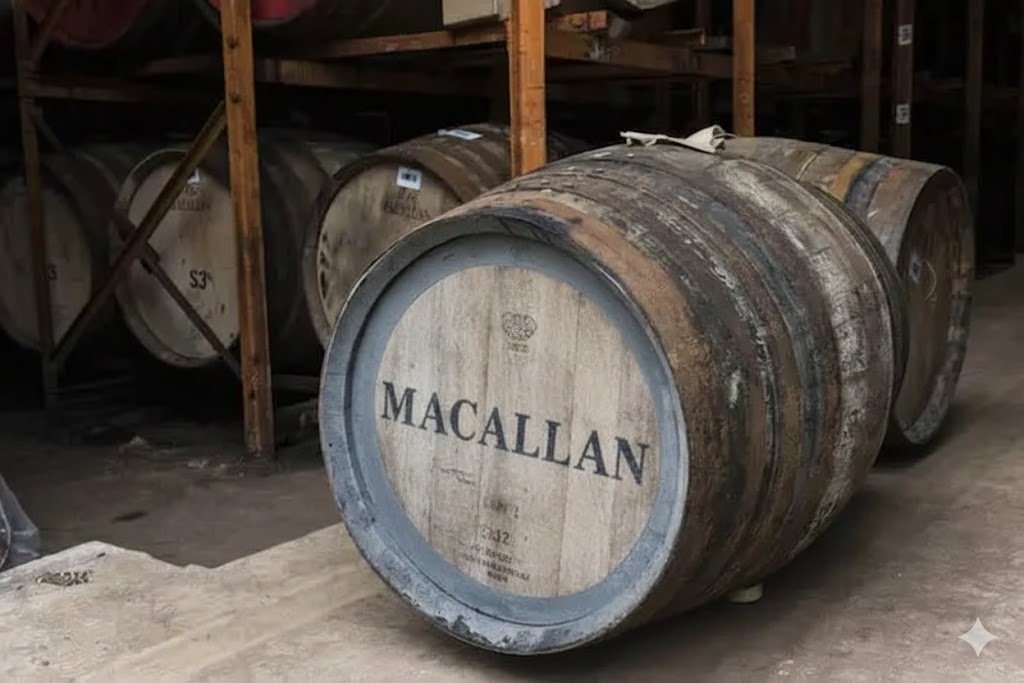
The 2026 Whisky Cask Market Outlook Surging demand meets limited supply – secure your portfolio now. The global whisky cask market has matured into a serious alternative asset class, and 2026 marks a defining moment. Over the last decade, whisky cask investments have evolved from a niche collector pursuit to a structured, data-backed category sought after by investors looking for both diversification and tangible value. Despite ongoing geopolitical fluctuations, a cooling property market, and uneven equity performance, whisky casks have continued to demonstrate remarkable resilience. According to the 2026 Whisky Cask Market Insights Report, the sector has sustained an average annualized growth rate of 11–14% across major distilleries—outpacing traditional assets like gold, fine wine, and even blue-chip equities over comparable periods. With global whisky demand projected to hit $116 billion by 2033 at a 5–7% CAGR, casks offer tangible growth driven by maturation, scarcity, and rising premium consumption in Asia and North America. Consistent Growth, Strengthened by Supply Constraints The demand for aged Scotch remains at historic highs, while supply of new-make spirit and long-aged stock continues to tighten due to global distillery expansion limits and production caps. This imbalance has created a robust supply-demand engine underpinning sustained value appreciation. Since 2021, the appreciation curve for single malt casks has flattened slightly from pandemic-era peaks, but stabilized at a healthy upward trend. The market saw record auction activity in 2025, driven by private bottlers and emerging whisky brands purchasing maturing casks to meet future demand. Moreover, investors have begun to favor age diversification strategies – building balanced portfolios with younger casks offering faster percentage growth potential, complemented by older stocks that serve as high-value capstones. Top-Performing Distilleries in 2026 According to platforms tracking secondary cask transactions through 2025, the most sought-after distilleries for capital appreciation include: Macallan – continues its reign as the benchmark luxury malt, with branded bottling values driving cask premiums, expecting a 16–20% growth this year. Bunnahabhain and Laphroaig – both delivered average projected returns of 17–18% annually, buoyed by Islay’s prestige and scarcity. Highland Park and Caol Ila – remain consistent top performers by trade volume, accounting together for over 35% of retail investor interest. Ben Nevis and GlenAllachie – rising stars, fueled by independent bottling activity and brand revival stories. Interestingly, grain whisky casks, once overlooked, are now gaining traction among private investors and independent bottlers seeking accessible entry points with strong yield potential. The Modern Investor’s Cask Strategy Several key insights define successful whisky cask investment strategies in 2026: Sherry casks still command premium valuations due to rarity and maturation complexity. Ex-Bourbon casks offer sustainable, lower-risk entries and solid liquidity in resale markets. Younger casks (2–5 years old) often generate the most dynamic percentage growth, ideal for investors entering the market. Aged rarities (20+ years) provide unparalleled heritage and wealth preservation appeal to high-net-worth collectors. New technologies, including digital asset management and tokenization platforms, have begun to transform how investors monitor and trade their cask portfolios. Provenance tracking, liquidation timing, and even fractional ownership models have entered the mainstream, enhancing both transparency and liquidity. Looking Ahead: The Next Decade of Value The consensus among analysts remains optimistic. With demand for premium single malts projected to grow by 6–8% annually through 2030, and limited distillery production windows, whisky casks continue to present investors with a compelling hedge against inflation and market uncertainty. As traditional markets recalibrate, tangible assets like whisky casks embody what many investors now seek: a physical, appreciating, and experience-driven form of wealth preservation. In the words of one industry report, “The smart money isn’t just drinking whisky—it’s aging it.” . . . . As a premium whisky collector, mastering cask types, age progression, and regional origins empowers smarter whisky cask investment decisions, blending portfolio growth with tasting pleasure. Ready to explore Scotch cask investment or whisky investment Toronto options? Contact a licensed broker for personalized cask ownership guidance tailored to your goals. Disclaimer: ** Whisky cask investments carry significant risks, including market volatility, storage costs, illiquidity, and potential loss of capital. Past performance does not guarantee future returns. This content is for informational and educational purposes only and does not constitute financial, investment, or legal advice. Always consult qualified professionals to assess suitability for your individual circumstances. Regal Cask Management is not a registered investment advisor.
The 2026 Whisky Cask Market Outlook Read More »