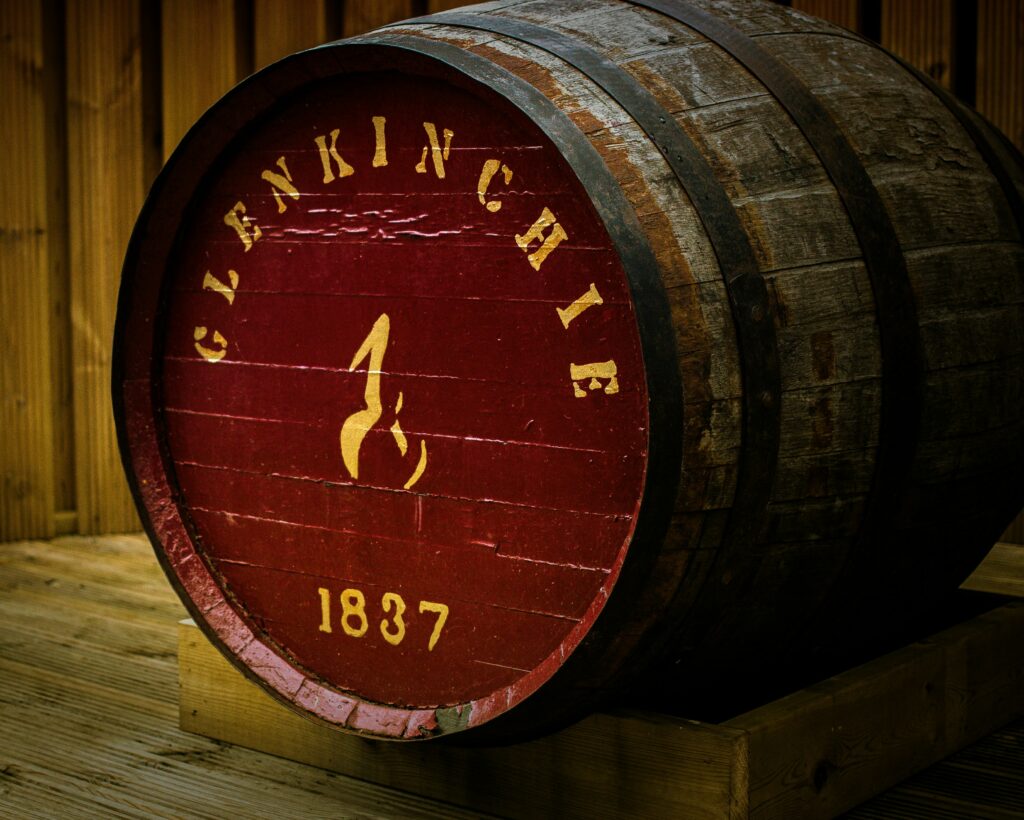

Cask Ownership| Why the Whisky Industry Needs Investors More Than Ever in 2026
Whisky has always been a drink of patience, craft, and long-term vision — and so too is investing in it. As we step into 2026, the whisky sector is thriving globally, with private capital, independent bottlers, and whisky investment funds driving fresh energy into an ancient craft. While distilleries still have every incentive to age and release their own spirit, investors play a vital role in keeping the industry balanced, innovative, and well-financed.
Here are three key reasons why whisky investment continues to be a critical driver of the industry’s growth and resilience.
1. Fuel Global Visibility and Market Reach
In 2026, international demand for premium and collectible whisky has never been stronger. Yet many distilleries — especially new or lesser-known ones — remain hidden behind the brands of major spirit conglomerates. Investors help change that by purchasing casks that later reach the market through independent bottlers or private releases, giving smaller distilleries global visibility they could never achieve alone.
When enthusiasts discover an exceptional cask through an independent bottling, it often sparks new interest in the distillery’s name, reputation, and core expressions. This increased exposure benefits everyone in the value chain — from the distiller to the distributor to the whisky fan eager for something authentic and rare.
2. Strengthen Brand Equity and Legacy
Whisky consumers are increasingly discerning. They crave origin stories, authenticity, and quality — and investor-backed cask releases are helping distilleries tell those stories. By collaborating with cask investors and independent bottlers, distilleries build brand equity faster than through traditional marketing and slow rollout of official bottlings.
This model has proven particularly effective for emerging craft distilleries. An early wave of independent bottlings can build excitement ahead of official releases, cultivating a loyal fan base that accelerates long-term success. In short, strategic partnerships with investors create brand value today while laying down the roots for tomorrow’s legacy labels.
3. Enhance Cash Flow and Financial Sustainability
Even in 2026, cash flow remains the whisky maker’s biggest challenge. Producing spirit is one thing; waiting 10, 15, or 25 years to sell it is another. Distilleries face substantial upfront costs for raw materials, warehousing, and compliance, all before a single bottle reaches the shelf.
By offering new-make casks to investors, distilleries unlock immediate liquidity — funding operations, expansion, and sometimes sustainability initiatives like carbon-reduced distillation or renewable energy conversion. This infusion of working capital allows distilleries to focus on quality and growth without the burden of waiting years for revenue.
A Symbiotic Relationship
Whisky investment in 2026 isn’t just about financial return — it’s about partnership. Investors enable distilleries to innovate, expand, and reach new markets; distilleries, in turn, offer investors access to a tangible, appreciating asset with cultural heritage and sensory depth.
As both the investment and whisky worlds continue to blend, the smart money — and the passionate heart — recognize that their goals are one and the same: to nurture timeless spirits that appreciate in both value and character.
.
.
.
.
.
As a premium whisky collector, mastering cask types, age progression, and regional origins empowers smarter whisky cask investment decisions, blending portfolio growth with tasting pleasure.
Ready to explore Scotch cask investment or whisky investment Toronto options? Contact a licensed broker for personalized cask ownership guidance tailored to your goals.
Disclaimer: ** Whisky cask investments carry significant risks, including market volatility, storage costs, illiquidity, and potential loss of capital. Past performance does not guarantee future returns. This content is for informational and educational purposes only and does not constitute financial, investment, or legal advice. Always consult qualified professionals to assess suitability for your individual circumstances. Regal Cask Management is not a registered investment advisor.